
Utilities savings programs are becoming essential governance tools for organisations seeking predictable operational efficiency and long-term cost control. Rather than treating utilities as unavoidable overhead, leading organisations manage them as strategic assets through structured governance, data visibility, and continuous improvement.
Why Utilities Savings Programs Matter
Utilities are often overlooked because costs appear fixed. In reality, inefficiencies hide inside contracts, outdated systems, and daily behaviour. Utilities savings programs help organisations uncover those inefficiencies and convert them into measurable recurring savings.
1. Establish Utilities as a Governance Category
Effective utilities savings programs begin with ownership. Responsibility should be assigned clearly across finance, operations, and facilities teams with reporting mechanisms that support decision-making.
Governance should include:
-
Centralised utility tracking
-
Regular performance reviews
-
Executive-level visibility of costs
-
Defined accountability for outcomes
2. Conduct a Baseline Utilities Audit
Before improvements begin, organisations need accurate baseline data:
-
Total annual utility spend
-
Usage by department or location
-
Contract dates and tariff structures
-
Redundant services or inefficiencies
Many organisations align this process with international frameworks such as ISO 50001 energy management standards, which focus on continuous measurement and improvement.
3. Procurement Strategy for Utility Contracts
Utilities contracts should be actively governed, not automatically renewed.
Best practices include:
-
Re-tendering at scheduled intervals
-
Comparing tariffs against market benchmarks
-
Matching contract duration with operational needs
This aligns with principles discussed in your Corporate Shopping Strategies article (insert internal link).
4. Usage Efficiency and Behavioural Governance
Savings increase when consumption becomes visible.
Utilities savings programs often implement:
-
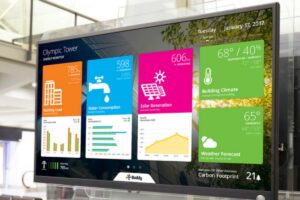
Usage dashboards
-
Automated shutdown policies
-
Smart scheduling systems
-
Leak detection monitoring
Guidance from the Energy Star commercial buildings program demonstrates how behavioural governance lowers business energy costs.
5. How Utilities Savings Programs Reduce Waste
Utilities savings programs reduce waste by turning hidden consumption into measurable performance indicators. When managers can see usage patterns, inefficiencies become clear and corrective action becomes possible.
Common examples include:
-
HVAC systems running outside business hours
-
Excessive peak-demand usage
-
Under-utilised utility plans
-
Undetected water leaks
These improvements compound over time, creating sustainable savings.
6. Technology as an Efficiency Multiplier
Technology allows utilities savings programs to scale efficiently:
-
Smart metering systems
-
Automated billing validation
-
Real-time monitoring platforms
-
Forecasting analytics
The International Energy Agency highlights digital monitoring as a key driver of modern energy efficiency improvements.
7. Risk Management and Operational Resilience
Governance protects stability as well as budgets. Organisations should plan for:
-
Supplier changes
-
Pricing volatility
-
Backup systems for critical facilities
-
Contingency budgeting
8. Key Metrics to Track in Utilities Savings Programs
Track performance using:
-
Cost per square metre
-
Peak demand rates
-
Utility cost per employee
-
Annual reduction percentage
-
Contract performance metrics
Governance Checklist
Before launching utilities savings programs, confirm:
-
☐ Ownership assigned
-
☐ Baseline measured
-
☐ Contracts benchmarked
-
☐ Usage data visible
-
☐ Quarterly reporting active
Conclusion
Utilities savings programs show that operational expenses are controllable when governed strategically. By combining procurement discipline, technology, and behaviour-driven improvements, organisations can reduce ongoing costs while strengthening resilience.
For broader governance strategies, see your Corporate Shopping Strategies (internal link) and Comparative Analysis articles (internal link).