
Savings Governance is an independent resource dedicated to helping U.S. households make informed decisions through clear, structured savings comparison. As membership-based savings programs expand across travel, retail, dining, and essential services, understanding how they work — and when they truly deliver value — has become increasingly important. This site provides research-driven analysis, practical evaluation frameworks, and structured financial modeling — including detailed break-even membership savings analysis — to help consumers reduce household costs without relying on promotional hype or exaggerated claims.

What We Help You Save On
Modern savings opportunities extend beyond coupons and seasonal promotions. We examine structured savings programs across major household spending categories:
-
Travel and accommodation
-
Retail and everyday purchases
-
Dining and lifestyle services
-
Utilities including electricity, gas, internet, and mobile
-
Corporate-style and membership savings platforms
Each category is evaluated for transparency, repeatability, and realistic consumer benefit.

What Is a Savings Comparison?
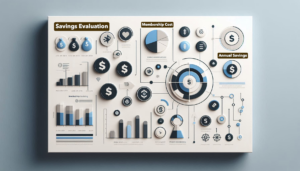
A savings comparison involves evaluating pricing models, membership costs, usage frequency, and real-world outcomes rather than focusing solely on advertised discounts. While many programs promote “up to” savings percentages, actual value depends on consumer behavior, consistency of use, and cost structure.
Effective savings comparison considers:
-
Annual cost versus membership fees
-
Break-even thresholds
-
Category alignment with spending habits
-
Transparency of pricing
-
Regulatory limitations in essential services
Understanding these factors helps households avoid overestimating projected savings.
How Membership Savings Programs Work
Membership-based savings programs operate by aggregating purchasing demand across many consumers. This collective structure allows platforms to negotiate preferred pricing across multiple industries.
Common models include:
-
Subscription access to negotiated discounts
-
Cashback or rebate structures
-
Corporate-style pricing traditionally available only to employees of large organizations
-
Utility and telecom rate optimization partnerships
However, not all programs produce equal results. Evaluation requires structured analysis rather than promotional claims.
How We Evaluate Savings Platforms
Savings Governance does not publish sponsored rankings. Instead, we apply a consistent framework based on:
-
Transparency of pricing structure
-
Realistic savings thresholds
-
Fee-to-benefit alignment
-
Category depth and breadth
-
Consumer suitability
Platforms are monitored objectively, and affiliate relationships — when present — are disclosed clearly without influencing analysis.
Who This Site Is For
This resource is designed for:
-
Households seeking structured cost reduction
-
Individuals evaluating membership-based savings programs
-
Consumers comparing travel, retail, and utility discount models
-
Readers who prefer independent analysis over promotional marketing
It is not a deal-of-the-day site, nor a financial institution. Its purpose is educational and analytical.
Explore the Framework
Are Corporate Discount Programs Worth It?
Structured financial evaluation of employer discount platforms and break-even thresholds.
How to Calculate the Break-Even Point for Any Membership Savings Program
Learn how to model cost thresholds and determine whether a membership savings program delivers measurable financial value.
How Membership Savings Programs Work
Understand the structural mechanics behind subscription-based discount platforms.
Are Membership Savings Programs Worth It?
Evaluate break-even thresholds and real-world usage assumptions.
Evaluation Methodology
Review the structured framework used to compare membership programs objectively.
Types of Membership Savings Programs
Explore the different structural models across travel, retail, utilities, and corporate programs.